Digitizing Transport Operations: From Paper Waybills to Live Dashboards
How transport and logistics companies move from registers and phone calls to a single system for trips, fleet and billing.
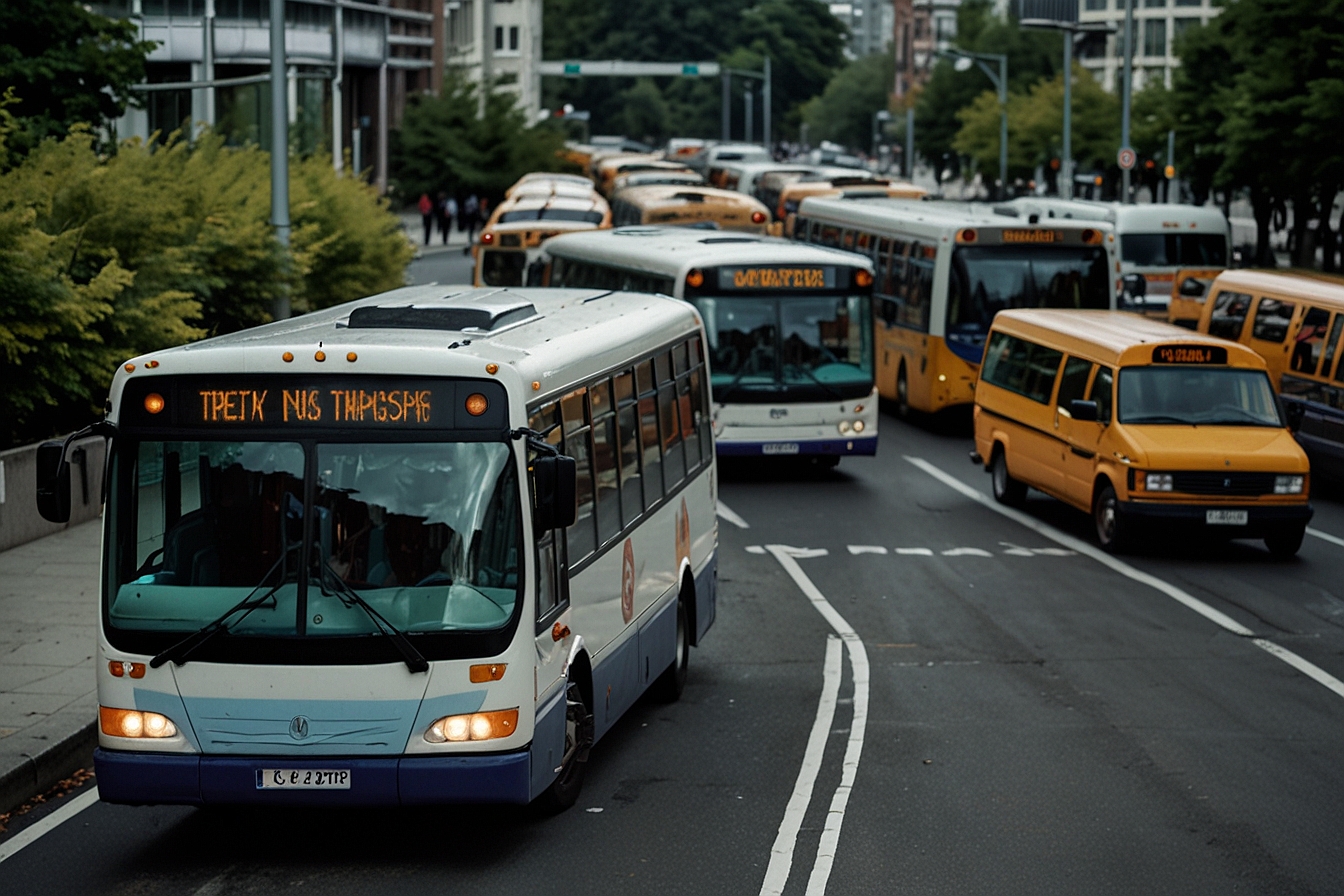
Many transport businesses still run on paper waybills, WhatsApp groups and a register at the office. It works — until the fleet grows and nobody can say which vehicle is where, which trip is billed or why fuel costs jumped last month.
Start with the trip
The trip is the heart of the business. When every trip is created in one system — vehicle, driver, route, consignment and charges — everything else can be built on top of it: billing, expenses, driver payments and reports.
What a transport ERP typically covers
- Trip and waybill creation with consignor and consignee details
- Vehicle documents, service and renewal reminders
- Fuel, toll and driver expenses linked to each trip
- Invoicing, payments and outstanding tracking
- Dashboards for revenue, profit per vehicle and utilisation
Roll out in phases
We recommend going live with trips and waybills first, training the office team, and only then adding expenses and billing. Each phase is small enough to adopt without disrupting daily operations.
The goal is not more software — it is one version of the truth that owners, accountants and dispatchers all trust.
The payoff
Owners see profit per vehicle instead of guessing, billing happens the same day instead of at month-end, and expiring documents stop becoming expensive surprises.